In 2026, the search for "Quiet Luxury" and "Organic Minimalism" has led interior designers back to one of the world's most ancient and resilient materials: Rattan.
While often confused with "wicker" (which is a weaving technique, not a material), Rattan is a powerhouse of sustainability and versatility. Rattan not just as a trend, but as a high-performance material perfectly suited for the modern Singaporean lifestyle.
What Exactly is Rattan?
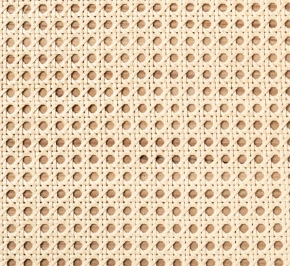
Rattan is not wood in the traditional sense. It is a climbing palm (part of the Calamoideae family) that grows as long, slender vines in the tropical rainforests of Southeast Asia. Unlike bamboo, which is hollow, Rattan has a solid core, making it incredibly strong, durable, and nearly impossible to break.
The Sustainability Stats
Rapid Regrowth: Rattan can be fully harvested in just 5 to 7 years, compared to 20–30 years for most hardwoods.
Forest Protector: Because Rattan needs existing trees to climb, its cultivation encourages the preservation of rainforest canopies rather than their clearing.
Low Carbon Footprint: Harvested mostly by hand by local artisans, Rattan requires minimal industrial processing.
Rattan in Furniture: Why It’s a Singapore Essential
Rattan has moved beyond the "retro balcony" stereotype. It is now a staple in Japandi, Bohemian, and Modern Tropical interiors. Here is why Rattan is a must-have for your space:
1. The Breathability Factor
In Singapore’s humidity, airflow is luxury. Rattan furniture whether it’s a woven headboard or a cane-back dining chair allows air to circulate freely. This prevents the "sticky" feeling of solid surfaces and helps keep your living areas feeling cool and airy.
2. Lightweight Strength
Despite its delicate appearance, Rattan is remarkably sturdy. A Rattan lounge chair can support significant weight while remaining light enough to be moved easily ideal for HDB owners who love to rearrange their layouts.
3. The "Cane" vs. "Core" Distinction
In high-end furniture, you will see two main uses of the plant:
Cane: This is the outer bark, often woven into the iconic "octagonal" pattern seen on sideboards and chair backs. It’s flexible, smooth, and naturally glossy.
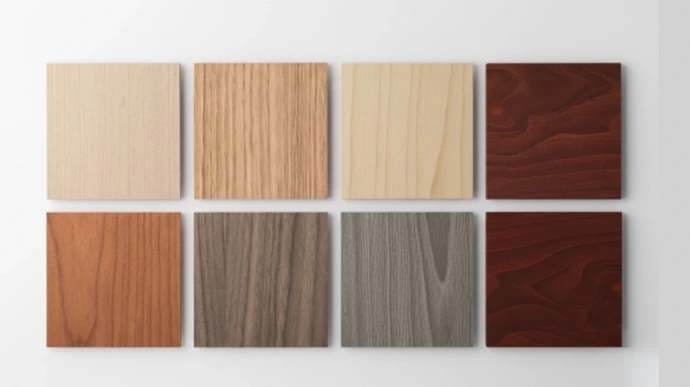
Core: The inner reed is used for structural frames and "wicker" weaving. It is porous, which means it can be stained into beautiful earth tones like walnut, ebony, or honey.
How to Style Rattan with ilhome Pieces
To keep Rattan looking modern and upscale, the key is contrast.
The Minimalist Mix: Pair a Rattan accent chair with a Solid Teak dining table. The warmth of the Teak balances the intricate texture of the Rattan.
The Bedroom Sanctuary: Use a Rattan headboard against a neutral, lime-wash wall. The "organic" lines of the weave soften the rectangular shape of the bed.
Lighting: Rattan pendant lights are the "jewelry" of a room. When lit, the weave casts beautiful, rhythmic shadows that instantly lower the room’s "visual temperature."
The Rattan Care Guide
1. Hydration is Key (The "Goldilocks" Rule)
Rattan thrives in humidity, but it hates being soaked. If the air in your home is too dry (due to constant 24/7 air conditioning), the fibers can become brittle and crack.
The Tip: Once a month, lightly mist your rattan furniture with a spray bottle of water or wipe it down with a slightly damp cloth. This keeps the fibers "elastic" and prevents snapping under weight.
The Warning: Never saturate the rattan. If it becomes too wet, the fibers can stretch and lose their shape.
2. The Deep Clean: Managing Dust and Nooks
Because of its intricate weave, rattan can be a magnet for dust and pet dander.
The Tool: Use a vacuum with a soft brush attachment to gently lift dust from the weave.
For Stubborn Dirt: Use an old toothbrush or a soft paintbrush to flick out debris from the tight corners of the cane-work.
The Solution: Wipe down with a mix of mild dish soap and warm water. Use only the suds (the foam) on your cloth to avoid over-wetting the material.
3. Sun Protection: Prevent Fading and "Sunburn"
Just like us, rattan can get "sunburned." Long-term exposure to direct, harsh Singaporean sunlight can bleach the natural pigments and dry out the oils in the vine.
The Solution: Place rattan pieces away from direct window glare or use sheer curtains to diffuse the UV rays.
Rotation: Every few months, rotate your furniture so that it "tans" evenly, ensuring one side doesn't become lighter than the other.
4. Dealing with Humidity and Mildew
In very damp corners of a home with poor ventilation, rattan can occasionally develop surface mildew.
The Fix: If you spot black dots, wipe the area immediately with a solution of 1-part white vinegar to 4 parts waters. The vinegar kills the spores without damaging the fibers.
Dry Thoroughly: After cleaning, use a hair dryer on a cool setting or place the piece under a ceiling fan to ensure no moisture remains trapped in the weave.
5. Managing "Sagging"
Over years of use, a rattan seat may begin to sag slightly.
The Pro-Tip: You can often "shrink" the fibers back into place. Dampen a cloth with hot water and press it onto the underside of the sagging area. Let it dry naturally overnight. As the water evaporates, the fibers will often tighten back up.
The Golden Rule of Rattan
"Treat it like a plant, not a plastic." Rattan is a living material that responds to its environment. With just a little bit of monthly attention, your rattan furniture will develop a stunning, deep patina over time that mass-produced furniture simply cannot achieve.
A Material That Breathes with You
Rattan is more than just a decorative choice; it is a commitment to a home that is light, sustainable, and connected to nature. It is a material that doesn't just sit in a roomit lives in it.
Explore our curated collection of Rattan and Cane furniture. From iconic rattan lights to intricate storage solutions, our pieces are handcrafted by artisans who have mastered this ancient vine for the modern world.
FAQs
Prevention: Use a UV-protective lacquer or rotate your furniture every few months to ensure even aging.
Start writing here...