Limited storage is one of the biggest challenges in a small home. If you've ever felt cramped in your living space, you're certainly not alone.
Fortunately, creating a multi-functional space is the best way to overcome this challenge, because it enables you to use certain areas of your home for more than one purpose. Multi-functional furniture is a fantastic way to conserve space, transforming stagnant areas into flexible spaces that are both convenient and stylish.
In fact, maximizing the functionality of small living spaces starts with choosing the right space-saving furniture. Most of us are looking to get more utility and function out of our homes – and that's why multi-purpose rooms have become increasingly popular. The more freely you can move around your home, the larger the space between your four walls will feel.
In this article, we'll guide you through practical strategies to make the best use of room space in your small home. From planning purposeful layouts to selecting clever multifunctional furniture, maximizing storage solutions, and creating distinct zones – we'll help you transform your compact living quarters into a spacious, functional haven.
Plan Your Room with Purpose
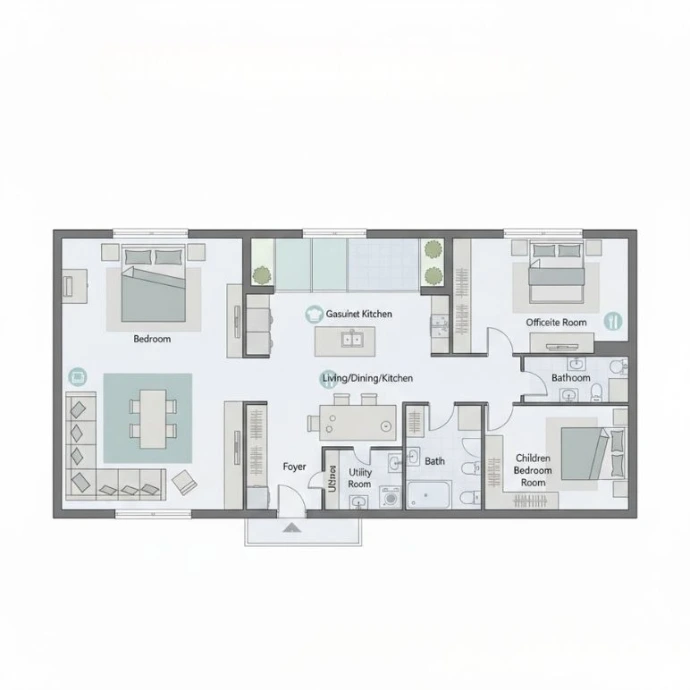
The first step to maximizing your small home's potential lies in thoughtful planning. Before purchasing furniture or decorative items, take time to evaluate how each room will function in your daily life.
Define the main functions of the room
Determining who will use the space and for what activities is crucial. Ask yourself:
Will this room serve the entire family or just specific household members?
What distinct activities need to take place here?
Will the space be used throughout the day or only at specific times?
Once you've answered these questions, you can identify the essential items needed to make the space functional. For instance, an office/guest room would require both a desk and bed as fundamentals. Being mindful about which basics are necessary helps prevent overcrowding, which is particularly important when working with limited square footage.
Avoid conflicting uses in shared spaces
When planning multipurpose areas, consider potential conflicts between different activities. Strategic furniture placement creates natural boundaries between zones without requiring walls. A bookcase or the back of a chair can effectively divide a sitting area from a play space. Additionally, area rugs visually separate distinct areas while paint or wallpaper can create definitive lines between functional spaces.
Furthermore, zoning should reflect how much time you'll spend on each activity. If you're creating a laundry room plus workspace but only work there 30% of the time, allocate space proportionally rather than equally. Always start with the largest zone first, then fit smaller zones around it while ensuring adequate traffic flow throughout.
Consider flexible HDB layout design options
For HDB flat owners, several innovative layout options can maximize your limited space. Opening up the area between your living room and bedroom creates a larger communal space that enhances natural lighting and ventilation. Alternatively, consider swapping your bedroom with the living room to achieve a more functional arrangement.
Clever modifications like rotating TV walls offer dual functionality, while wall-mounted beds can transform a bedroom into a flexible-use space instantly. These beds, hinged at one end, can be pulled down when needed and stored away when not in use. Some designs even include attached floating tables that double as workspaces.
Embracing these purposeful planning strategies ensures your small home remains both functional and comfortable despite space constraints.
Choose the Right Multifunctional Furniture
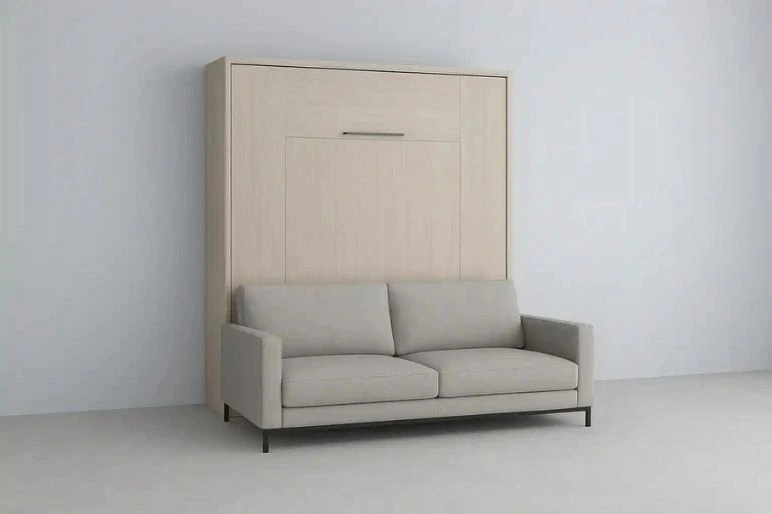
Sofa beds and Murphy beds
Sofa beds offer dual functionality as comfortable seating during the day and convert into beds at night. Models like HEMNES include storage space for duvets, pillows, and bed linens inside the sofa frame, keeping everything within easy reach. The high frame creates a cozy atmosphere while maintaining practicality. Modern sofa beds feature anti-rust metal steel pull-out mechanics for effortless conversion from sofa to bed.
Murphy beds (wall beds) provide another excellent space-saving solution. These beds fold up into walls or cabinets when not in use, instantly converting bedrooms into functional living areas. Some advanced designs integrate sofas or desks that remain usable even when the bed is tucked away.
Foldable desks and extendable tables
Foldable desks offer practical workspace solutions that disappear when not needed. Wall-mounted options like PIROUETTE include hidden storage cabinets for office supplies. These desks provide ergonomic working surfaces without permanently claiming floor space.
Extendable dining tables, meanwhile, adapt to changing needs. Compact for daily use, they expand to accommodate guests during gatherings. Many designs feature innovative leg configurations that provide ample space for tucking in chairs, maximizing floor area when not in full use.
Storage ottomans and benches
Storage ottomans rank among designers' favorite pieces for small spaces due to their versatility. These lightweight pieces serve as:
Extra seating for conversation areas
Comfortable footrests
Hidden storage compartments for blankets or toys
Occasional tables (with the addition of a tray)
Similarly, storage benches add seating while concealing items underneath. Models like MACKAPÄR feature sliding doors for easy access, keeping your home organized and clutter-free.
Wall-mounted or pullout furniture
Wall-mounted furniture frees valuable floor space. Tables like Pic Table convert from mirrors or pictures into functional dining surfaces. Secret Pull-Out tables remain hidden until needed, preserving visual harmony in your space.
These clever solutions allow you to maintain style and functionality without overwhelming your small home's footprint.
Maximize Storage Space Without Clutter
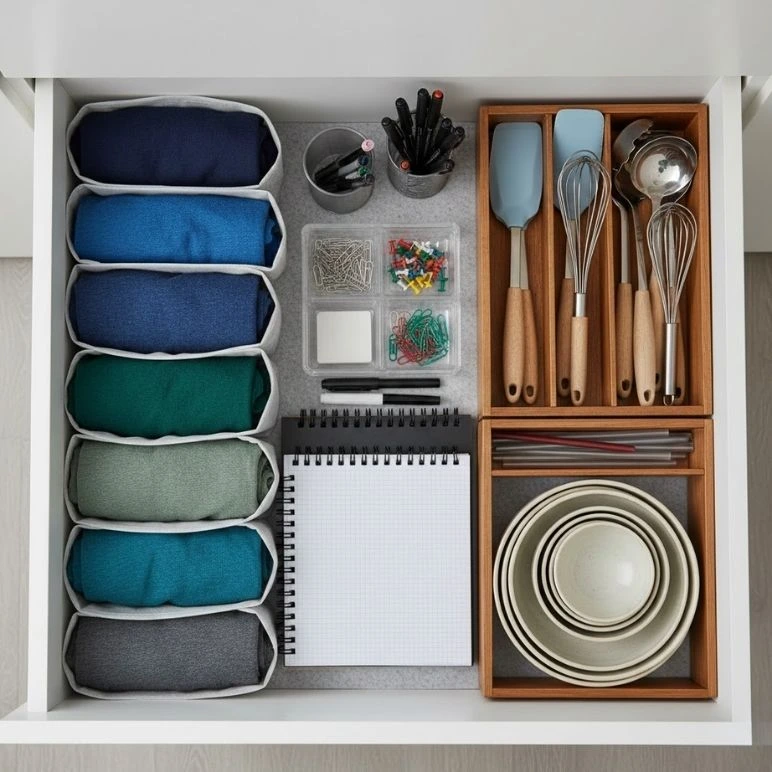
Vertical space often remains underutilized in small homes, presenting untapped potential for storage. Discovering creative ways to maximize every inch without creating visual clutter is essential for comfortable living.
Use vertical space with shelves and hooks
Looking upward reveals abundant storage possibilities. Floating shelves installed on walls provide stylish yet practical storage that doesn't consume precious floor space. SKÅDIS pegboards offer versatile vertical storage that can even function as bedside tables perfect for loft beds. These systems let you reorganize accessories as needed, adapting to changing storage requirements.
Wall-mounted hooks, meanwhile, transform empty wall sections into functional spaces for hanging bags, coats, and accessories. These simple additions prevent items from ending up on the floor, significantly reducing clutter.
Hidden storage in beds and seating
Storage beds represent one of the smartest investments for small spaces. Models with drawers underneath provide generous storage for linens, clothing, and books. Some designs like the Janvier 2-in-1 feature both drawers and hidden compartments beneath the support base.
Likewise, multipurpose seating pieces conceal clutter effectively. Options range from storage ottomans to benches with lift-up seats that reveal spacious compartments for blankets, pillows, and toys.
Modular units for evolving needs
Modular storage systems truly shine in small homes since they grow alongside your changing lifestyle. Series like KALLAX organize items neatly in squares while EKET offers endless configuration possibilities. These systems can expand or contract as needed, making them perfect for accommodating growing families or new hobbies.
Door and corner storage solutions
Maximize often-overlooked spaces with over-door storage options like hanging organizers and racks. These solutions work beautifully in pantries, closets, and bathrooms. Additionally, corner spaces can be transformed with specially designed shelving units that turn awkward angles into functional storage areas.
Create Zones and Enhance with Lighting
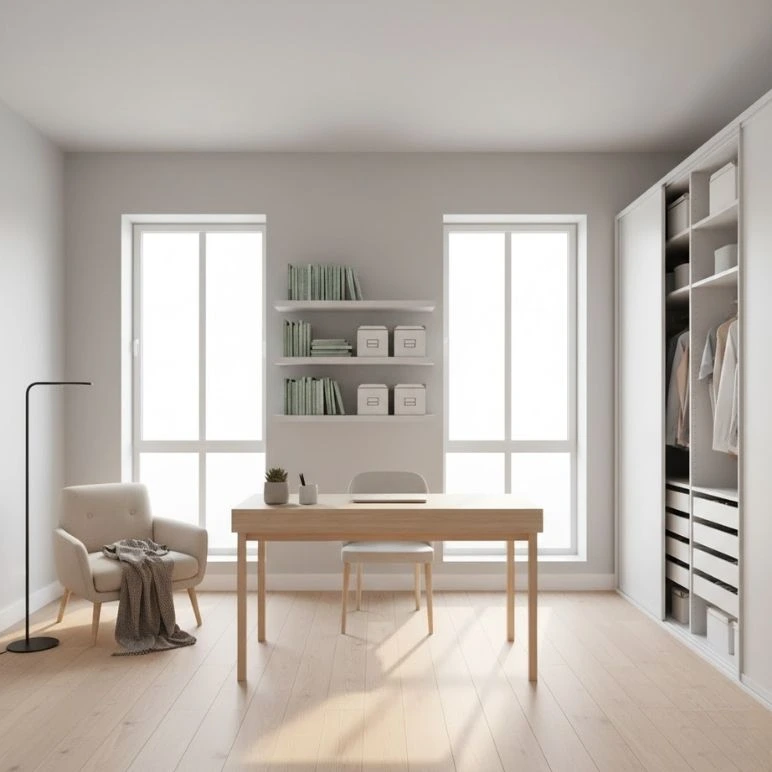
Strategic zoning transforms limited spaces into multi-functional areas that feel larger and more organized. Instead of physical walls, thoughtful design elements create distinct areas within the same room.
Use rugs, curtains, or furniture to define zones
Rugs play a vital role in defining zones, reinforcing visual harmony, and making small rooms seem bigger. Place a rug under furniture with at least the front legs resting on it to create a cohesive seating area. For square rooms, try angling rugs diagonally to soften hard edges and guide the eye through the space.
Furniture positioning creates natural boundaries without walls. Backless bookcases make excellent dividers while preserving light flow. Curtains offer flexible division they run around corners unlike bifold doors and can hide utility areas when needed.
Add task, ambient, and accent lighting
Layered lighting combines three essential types: ambient lighting provides overall illumination, task lighting focuses on work areas, and accent lighting highlights specific features. This approach creates depth and allows adaption to different activities throughout the day.
In open-plan apartments, use lighting to define specific zones a pendant over dining areas or reading lamps for cozy corners. This helps organize layouts visually without physical barriers.
Use mirrors to reflect light and space
Mirrors strategically placed across from windows multiply natural light and views, making rooms feel twice as large. Position mirrors to reflect your favorite artwork or plants rather than blank walls or clutter.
Backlit mirrors create luxurious ambience, especially in small bathrooms. For maximum impact, place mirrors near light sources to double their intensity.
Keep decor minimal but functional
In small spaces, negative space is as important as objects themselves, offering visual breathing room. Choose decor that serves dual purposes decorative yet functional items that earn their place.
Ultimately, each design decision should contribute to both esthetics and practicality, making your small space feel purposeful rather than cramped.
Conclusion
Living in a small home no longer means sacrificing style or functionality. Throughout this guide, we've explored practical strategies that transform compact spaces into comfortable, efficient homes.
First and foremost, purposeful planning serves as the foundation for any successful small space design. By defining room functions before purchasing furniture, you eliminate unnecessary items that contribute to clutter. Additionally, choosing multifunctional pieces like sofa beds, storage ottomans, and wall-mounted desks significantly reduces the footprint of essential furnishings while maintaining their utility.
Storage solutions undoubtedly make the biggest impact in small homes. Looking upward to utilize vertical space with shelving and hooks frees valuable floor area. Hidden storage compartments within beds and seating keep belongings organized yet accessible. Modular systems adapt as your needs evolve, making them perfect long-term investments.
Last but certainly not least, creating distinct zones through thoughtful placement of rugs, furniture, and lighting helps small spaces feel larger and more purposeful. Mirrors strategically positioned across from windows multiply natural light, instantly expanding perceived space.
Remember, successful small-space living balances functionality with esthetics. Each item should earn its place through usefulness, beauty, or ideally both. With these principles in mind, you can create a home that feels spacious, organized, and perfectly suited to your lifestyle regardless of its actual square footage.
ILHome is your first step to Optimizing your Home.
FAQs
Q1. What are some effective ways to maximize space in a small home? Some effective ways to maximize space in a small home include using multifunctional furniture like sofa beds and storage ottomans, utilizing vertical space with shelves and hooks, creating distinct zones with rugs and lighting, and choosing modular storage units that can adapt to changing needs.
Q2. How can I create separate functional areas in an open-plan small apartment? You can create separate functional areas in an open-plan small apartment by using furniture placement to define zones, employing area rugs to visually separate spaces, using lighting to highlight different areas, and utilizing room dividers like backless bookcases that maintain an open feel while creating distinct spaces.
Q3. What types of furniture are best for small spaces? The best types of furniture for small spaces are multifunctional pieces such as sofa beds, Murphy beds, foldable desks, extendable tables, and storage ottomans. Wall-mounted or pull-out furniture is also excellent for saving floor space while maintaining functionality.
Q4. How can I increase storage in my small home without adding clutter? You can increase storage in your small home without adding clutter by utilizing vertical space with shelves and hooks, choosing furniture with hidden storage compartments, using modular storage units, and maximizing often-overlooked spaces like doors and corners with specialized storage solutions.
Q5. What lighting techniques can make a small room feel larger? To make a small room feel larger, use a layered lighting approach that combines ambient, task, and accent lighting. Strategically place mirrors across from windows to multiply natural light, and use lighting to define specific zones in open-plan spaces. Backlit mirrors can also create a sense of depth, especially in small bathrooms.
Start writing here...