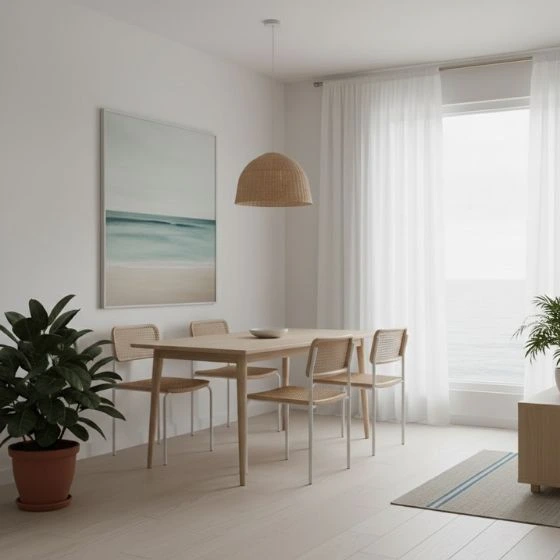
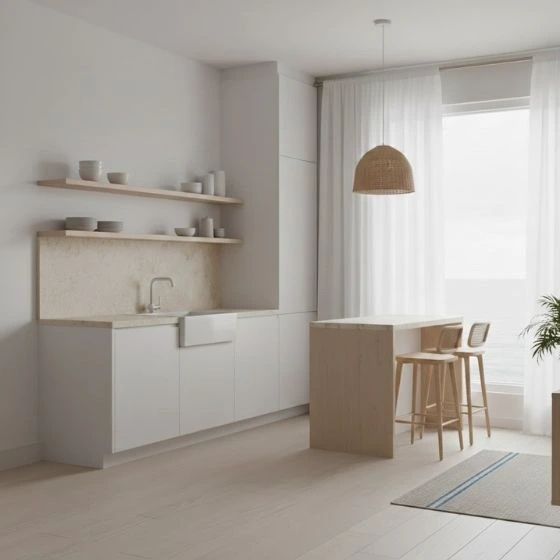
A coastal-inspired living room isn't about seashell collections or "beach life" signs; in 2026, it’s about Atmospheric Minimalism. It’s the feeling of a cool sea breeze and the warmth of sun-bleached wood.
By focusing on natural materials like Teak and Rattan from ilhome.eco, you can transform a busy Singaporean apartment into a tranquil shoreline retreat. Here are 3 easy steps to master the look.
Step 1: Establish a "Sand and Salt" Palette
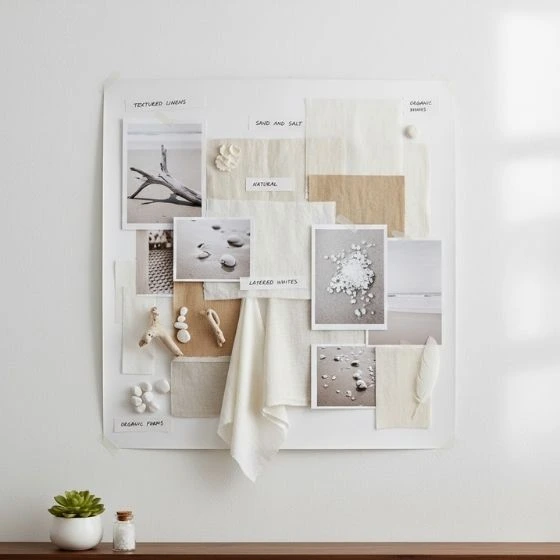
The foundation of any coastal room is its color story. You want to mimic the horizon where the beach meets the water.
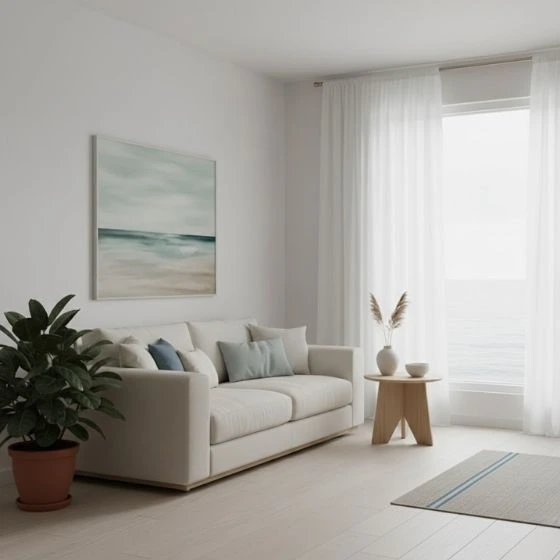
The Base: Use "Salt" (crisp whites) or "Sand" (soft beiges/oatmeal) for your walls and large furniture pieces like your sofa.
The Accent: Instead of bright navy, choose "Muted Aqua" or "Deep Slate." These colors feel more sophisticated and calming.
The Texture: Introduce Rattan to act as your "driftwood" element. A rattan accent chair or storage basket adds the necessary organic texture that prevents a white room from feeling cold.
Step 2: Choose "Sun-Bleached" Wood Tones
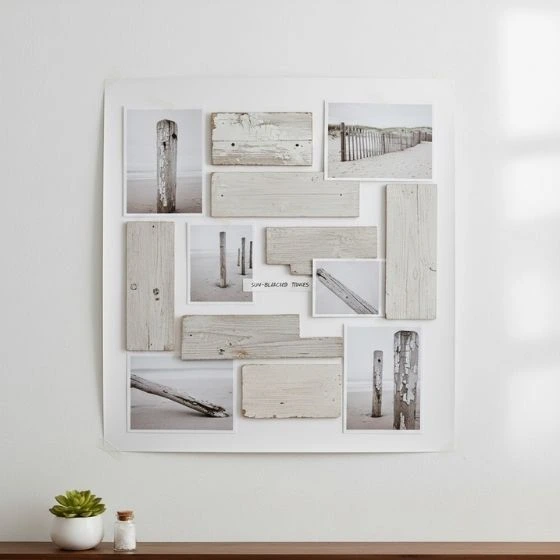
To capture the coastal vibe, avoid dark, heavy mahoganies. You want woods that look like they’ve been lightened by the salt air and sun.
The ilhome Solution: Natural Teak and Reclaimed Wood are perfect for this. Their golden-honey hues and visible grains provide a "grounded" feel that is essential for coastal living.
The Layout: Opt for low-profile furniture. Keeping your coffee table and media console low to the ground creates an "open horizon" feel, making your ceiling seem higher and your room airier.
Step 3: Layer with "Tactile Honesty"
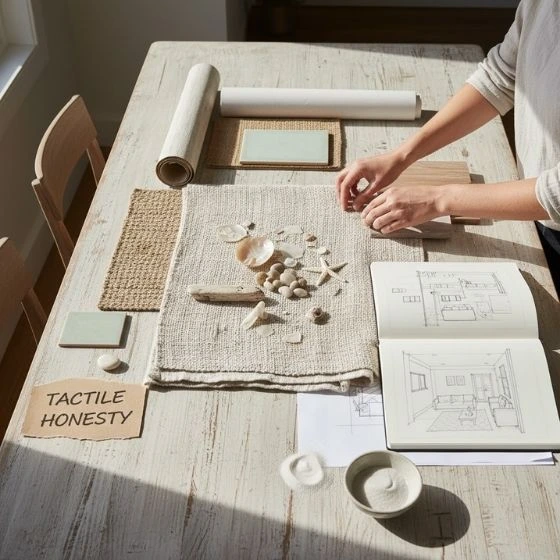
Coastal design is a sensory experience. You want to mix materials that feel good to the touch and remind you of nature.
Linen & Cotton: Swap out heavy velvets for breathable linen cushions and cotton throws.
Woven Elements: Use Cane-webbing sideboards or Rattan pendant lights. These allow light and air to pass through, reinforcing the "breezy" atmosphere.
The Greenery: Finish the room with a large-leaf plant, like a Bird of Paradise or a Monstera, to add a pop of tropical life that ties the wood and rattan together.
A Shoreline Sanctuary
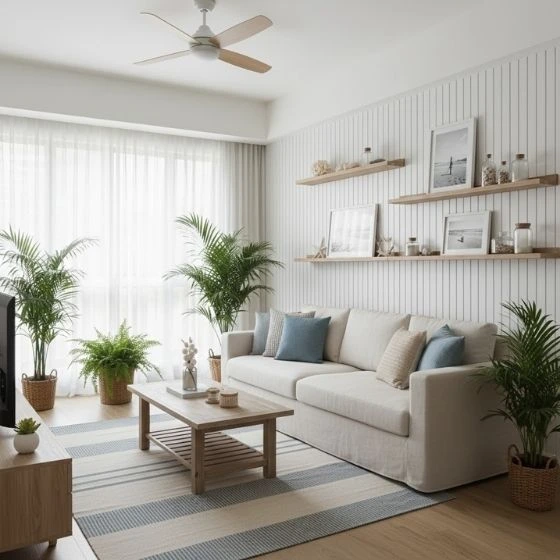
Creating a coastal-inspired home is about choosing quality over quantity. By investing in handcrafted, sustainable pieces that feature natural grains and woven textures, you aren't just decorating you're creating an environment that lowers your heart rate the moment you walk through the door.
Start Your Coastal Journey at ilhome.eco
Bring the outdoors in with our curated collection of Teak, Rattan, and Reclaimed Wood furniture. Crafted for durability, designed for serenity.
Explore the Coastal Collection >
FAQs
Here is the FAQ section for your coastal-inspired living room blog. These questions address common concerns about maintaining the aesthetic in Singapore’s specific climate and urban environment.
1. Can I achieve a coastal look in a dark HDB with little natural light?
Absolutely. Coastal design is as much about color psychology as it is about sunlight.
The Trick: Use a "Cool White" paint with a slight blue undertone on your walls to reflect what little light you have.
The Furniture: Switch to raised-leg Teak furniture. When you can see the floorboards underneath your sofa or console, the room feels more "airy" and less cramped, mimicking the open feel of a beach house.
2. Will Rattan furniture grow mold in Singapore’s humid weather?
Natural rattan is a tropical vine, so it loves humidity, but it hates being damp.
Prevention: Ensure your living room has good airflow. If you place rattan in a corner with zero ventilation, surface mildew can occur.
The Fix: If you see small spots, wipe them with a solution of 1-part white vinegar to 4 parts waters. At ilhome.eco, our rattan is treated and finished to resist moisture, making it much harder than raw, untreated versions.
3. How do I prevent my "Coastal Blue" accents from looking like a kid's room?
The key is saturation. Avoid "Primary Blue" or bright "Sky Blue."
The Pro Choice: Look for "Dusty Blues," "Slate," or "Navy." These muted tones feel sophisticated and "Quiet Luxury." Pair them with the natural, warm grains of Teak wood to ground the color and make it feel like a designer space.
4. Is "Coastal" the same as "Hamptons" style?
Not quite. Hamptons is more formal, with dark floors, polished brass, and structured "preppy" furniture. Modern Coastal (our ilhome vibe) is more relaxed and organic. Think "barefoot luxury"—it prioritizes raw wood, woven textures, and a "lived-in" comfort that feels much more suitable for the Singapore lifestyle.
5. I have pets; is a white coastal sofa a bad idea?
Not if you choose the right fabric!
The Solution: opt for slipcovered sofas in heavy-duty cotton or performance linen. Being able to strip the cover off and throw it in the wash is the only way to maintain a "Calm Coastal" look with dogs or cats. Alternatively, a light-grey textured fabric hides fur much better than pure white while staying within the palette.
Start writing here...