7 Smartest Furniture Decisions for HDB & Condo Living
In Singapore, every square foot is valuable. Furniture that looks great in a showroom often fails in a compact HDB or condo. The key to maximizing your space is choosing pieces that perform two or three jobs at once and manage visual flow.
Incorporating space saving furniture is essential for making the most of limited areas.
1. The Vertical Storage Strategy
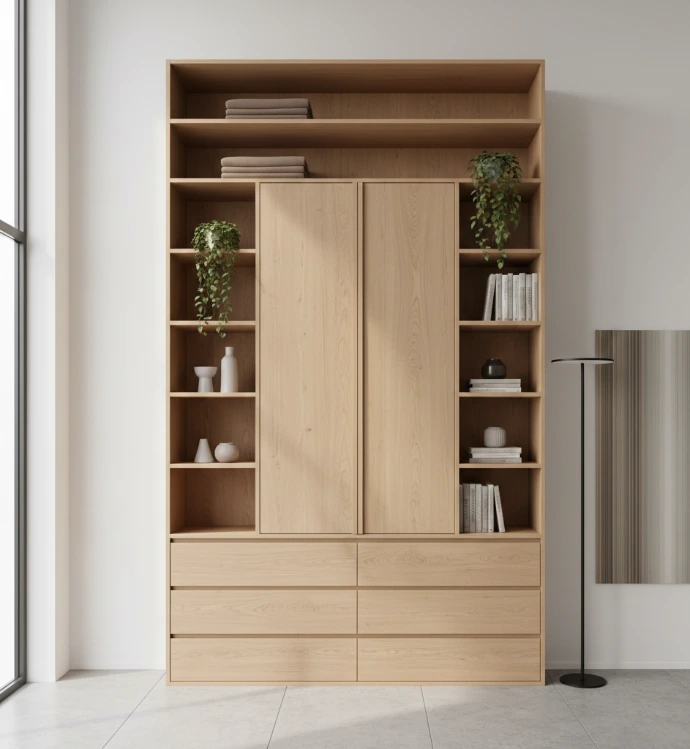
In compact Singapore homes, the floor area is often saturated. Yet, the top half of your walls often remain unused.
The Vertical Storage Strategy is the most effective way to maximize capacity without encroaching on your essential living space. Instead of relying on numerous short cabinets or low drawers, which visually chop up the wall, the key is to commit to floor-to-ceiling utilization.
Custom or modular full-height shelving, wardrobes, and cabinets draw the eye upward. This cleverly tricks the brain into perceiving the room as taller and more expansive.
Furthermore, by moving clutter from clothes and accessories to paperwork off low, open surfaces and into closed, seamless, vertical units, you instantly achieve a cleaner, less visually overwhelming environment. This design choice is critical for maintaining the sense of calm necessary in a small home.
2. Embrace Modular and Sectional Sofas
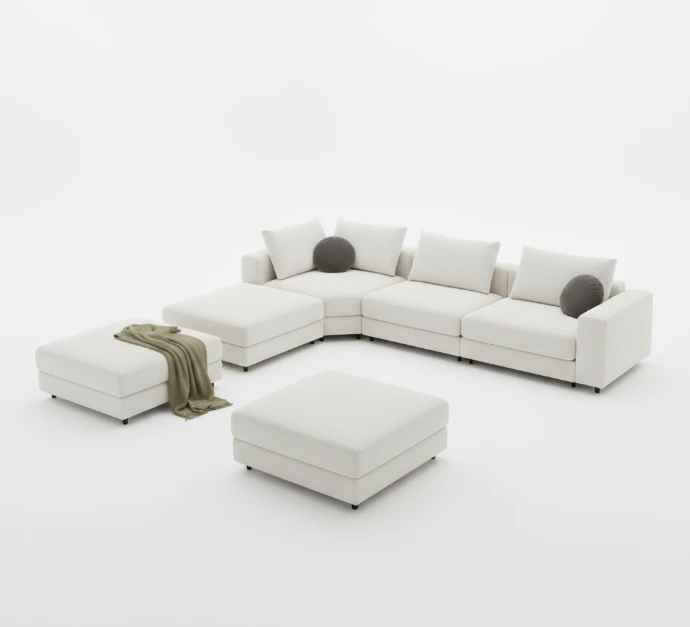
In a small living room, furniture needs the flexibility to adapt to your life, whether you're hosting a small group or relaxing alone. Large, fixed sofas are often too rigid and dominating for compact spaces.
The key is to opt for modular sections or highly flexible designs. These pieces can be easily detached and rearranged to suit different scenarios—for instance, pulling one section out to create a chaise lounge for reading, or separating them to create two distinct seating areas when guests visit.
This convertible furniture approach allows for flexible seating arrangements, maximizing both comfort and seating capacity.
This flexibility is vital for maximizing functionality in a limited footprint. Look specifically for designs that include integrated storage underneath the seats or arms. This discreet, hidden space is perfect for stashing items like extra blankets, remote controls, or charging cables, eliminating the need for bulky side tables.
3. Extendable Dining Table
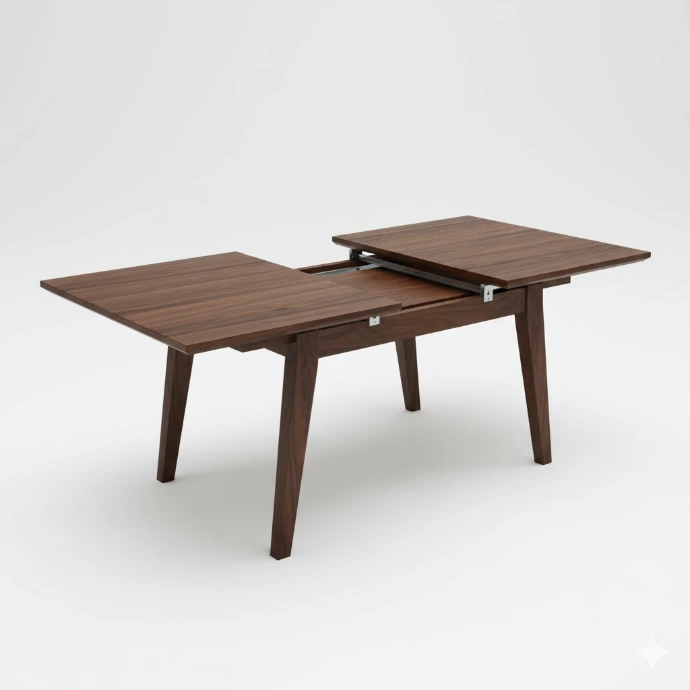
The dining space is often the first to be compromised, or the table selected becomes an oversized, permanent fixture. A smart home requires a table that adapts to its user.
The key is to leverage the functionality of an easily extending dining table. This design saves 50% or more of the floor space during daily use, which is critical for maintaining circulation in the common areas. Yet, it expands rapidly when you need to host family dinners or spread out a large work project. Look for compact dining tables with extension panels or a butterfly extension system for seamless transformation.
To fully maximize the space, the table should be paired with stackable or nesting chairs. When not in use, the chairs can be neatly stored away in a corner or closet, immediately reclaiming valuable floor space and preventing the room from feeling cramped.
4. Hidden Storage
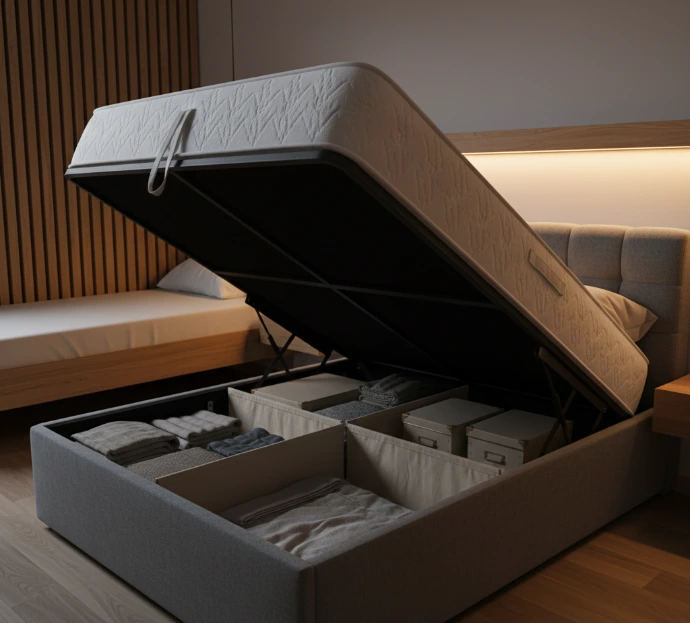
The area under your mattress is often the largest single piece of untapped storage space available in the entire home. Ignoring this space forces you to clutter your walls with cabinets or rely on unsightly boxes.
The solution is to invest in a platform or storage bed with hidden storage compartments. This design transforms the entire volume beneath the mattress into high-capacity storage, accessible via drawers or hydraulic lift mechanisms. This immediate solution effectively eliminates the need for bulky extra dressers or cabinets in the bedroom.
By using the bed itself as the primary storage unit for linens, seasonal clothes, or accessories, you free up valuable floor area. This is essential for maintaining clear walkways and ensuring the bedroom, which is meant to be a sanctuary, feels open and uncluttered.
5. Dual-Purpose Console Tables
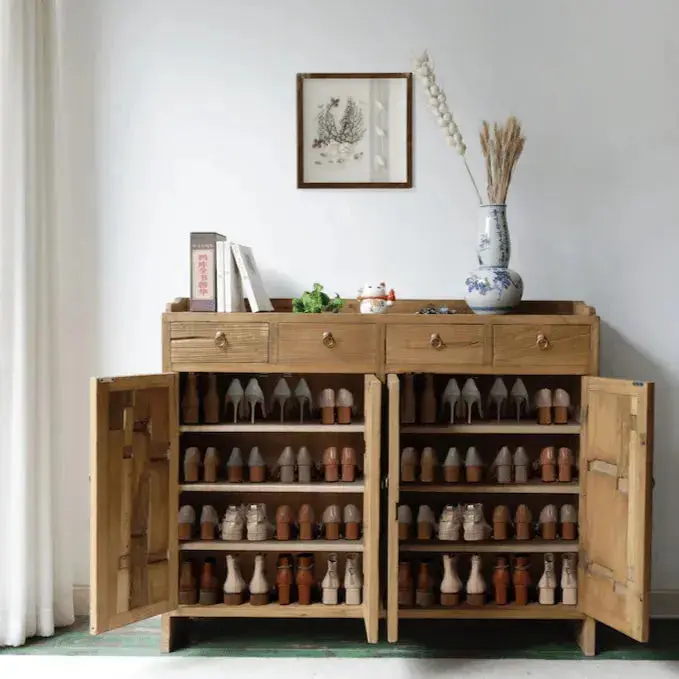
Every piece of furniture must justify its floor space by fulfilling more than one function. Narrow walkways and empty walls should be seen as opportunities for utility, not just decoration.
The solution is to utilize slim, minimalist console tables or narrow, floating desks. These pieces are shallow enough not to impede traffic flow but can serve as a highly functional home office workspace during the day. Their minimalist design allows them to transform back into a stylish display surface or convenient drop zone for keys and mail in the evening. Consider options with integrated wheels for easy mobility and repositioning.
When selecting this furniture, choose durable solid wood (Teak or Oak) with a narrow profile. This ensures the piece adds essential function without blocking the visual flow, contributing to the open, airy feel of the room.
6. Use Reflective and Open Elements
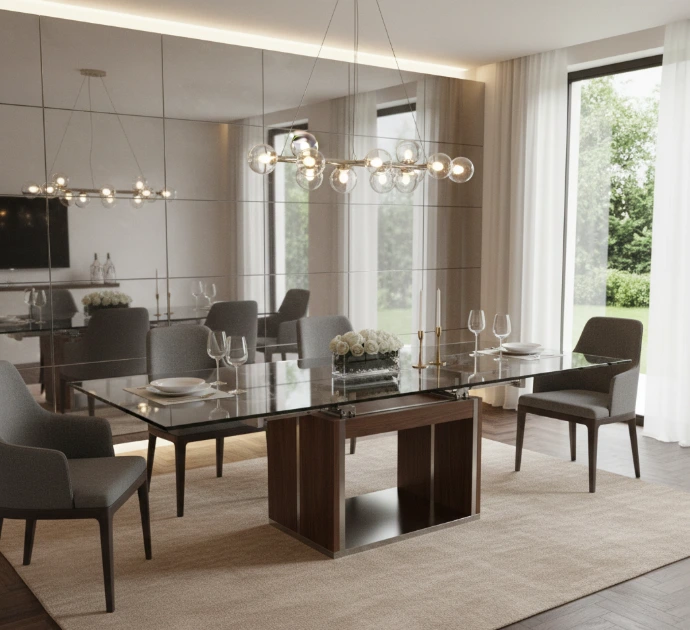
It's all about using design psychology to trick the eye. In a small space, you are battling the perception of closeness, and reflective surfaces are your greatest ally against this feeling.
The key is to incorporate furniture and accessories with reflective surfaces. Think about adding glass tabletops, polished metal frames, or strategically placed mirrors. These elements catch light from windows and artificial sources, bouncing it around the room. This immediately minimizes shadows and instantly makes the entire space feel brighter, more expansive, and larger than it actually is.
To maintain this effect, be intentional about the colors you choose. Avoid furniture that is overly dark, matte, or heavy, as these pieces absorb light and contribute to a feeling of being cramped. Instead, prioritize lighter tones and materials that contribute to an open, airy visual experience.
7. Master the Visual Weight
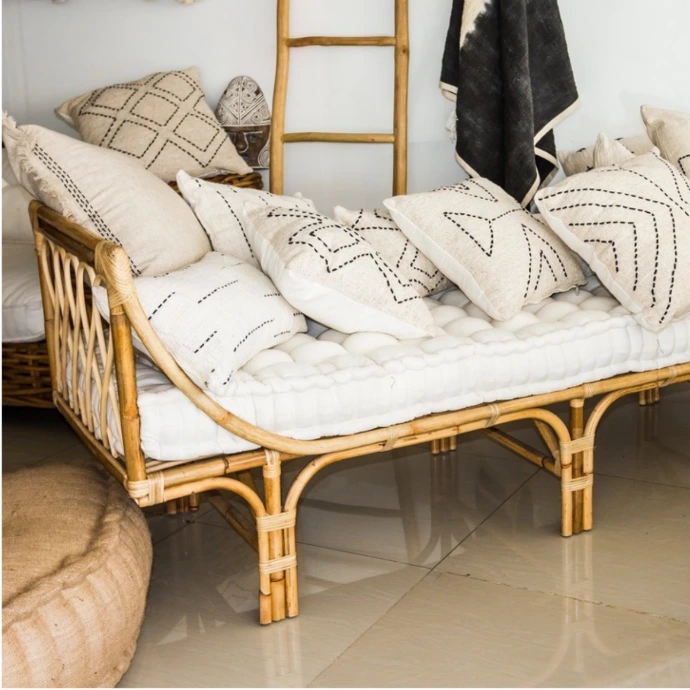
The biggest mistake a homeowner makes in a small space is choosing furniture with heavy visual weight. This refers to how dense and heavy an object appears to the eye, often achieved by pieces that sit directly on the floor with solid bases.
The smarter approach is to choose pieces with exposed, slender legs. This simple design allows light to flow underneath the furniture, which prevents the piece from looking like a solid block on the floor.
By minimizing the object's visual footprint, you instantly make the room feel airier, lighter, and visually much larger. For example, a sofa on thin legs will always look better and less intrusive than a sofa with a full skirt or solid base, even if both pieces occupy the exact same physical space. Mastering this concept is key to transforming your home from cramped to curated.
Conclusion
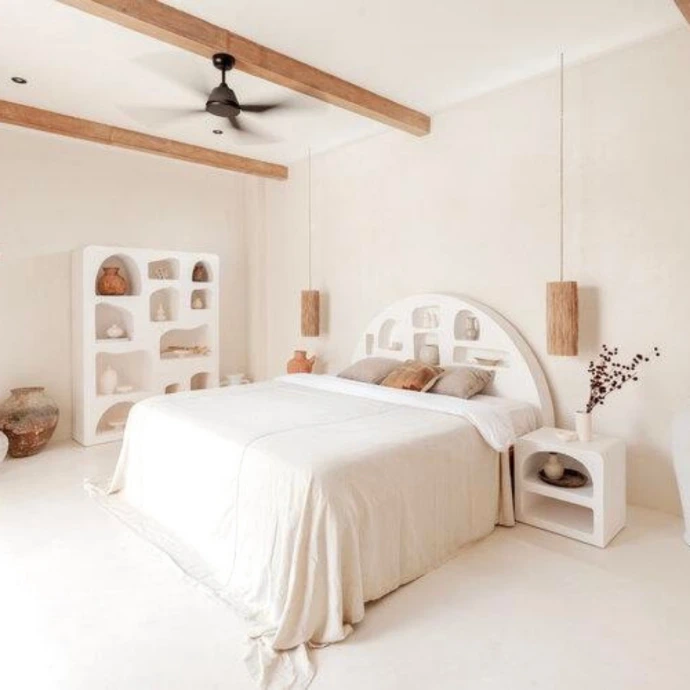
Smart design is about intentional choices. It's about recognizing that in a compact Singapore home, every single piece of furniture must earn its place. By applying these seven strategic decisions from utilizing vertical storage and choosing modular sofas to mastering the visual weight of your dining table you reclaim your space and transform your home from cramped to thoughtfully curated.
When selecting furniture, consider not only space-saving designs but also the furniture mechanisms that allow for adaptability. Look for pieces made from sustainable materials to ensure longevity and eco-friendliness.
Ready to see how versatile our furniture is? Make the smart investment in pieces designed for lasting quality and maximum space utility.
Start writing here...